

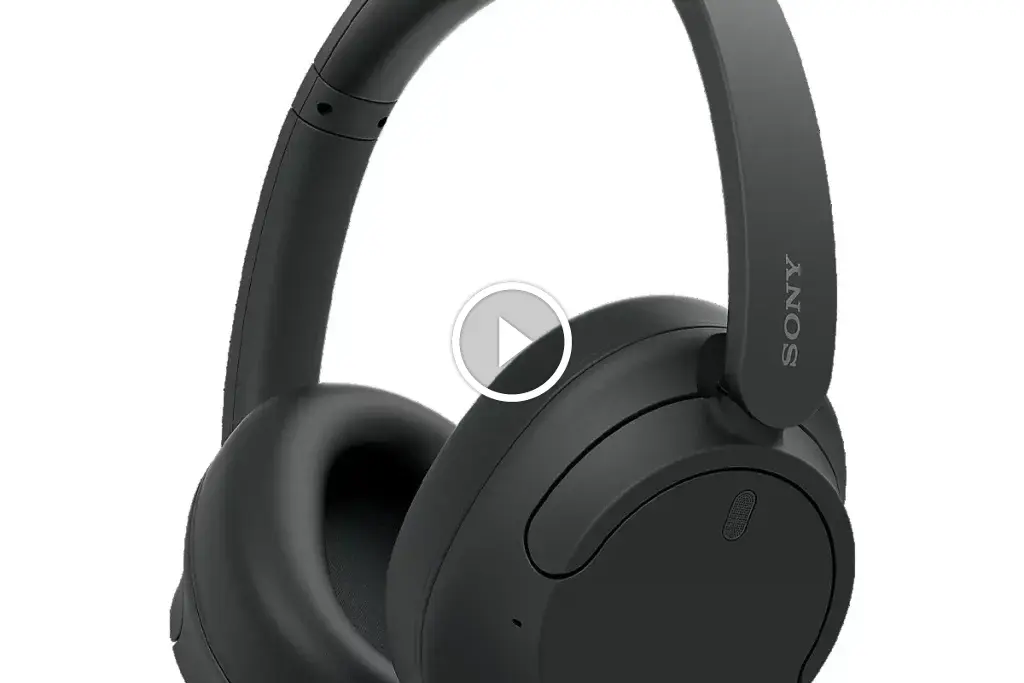
Sony headphones are made in multiple countries, including Japan, China, Malaysia, and Thailand, depending on the model and region. The country of origin matters less than the exact model, authenticity, and features.
If you’re asking where are Sony headphones made, the short answer is that Sony uses multiple manufacturing locations, not just one country. Depending on the model, Sony headphones may be made or assembled in Japan, China, Malaysia, Thailand, or other regional production hubs.
That matters because buyers often want to know whether the country of origin affects sound quality, build quality, price, or authenticity. In most cases, the model itself matters far more than the factory location, but the label can still tell you useful things about production, regional distribution, and what kind of product you’re buying.
- Multiple countries: Sony uses several manufacturing hubs, not one fixed location.
- Model matters most: Sound and comfort depend more on the product line than origin.
- Check labels: Box stickers, model numbers, and serial details help verify authenticity.
- Don’t overread origin: “Made in” and “Assembled in” are not quality rankings.
Sony Headphone Manufacturing: Which Countries Produce Different Models in 2026
Image source: sony.scene7.com
Sony’s headphone production is spread across several countries, and that’s normal for a large global audio brand. Different factories and assembly hubs support different product tiers, regional markets, and supply chain needs.
In 2026, you should expect Sony to use a mix of Japanese engineering roots and international manufacturing. The exact country printed on your box or product label can vary by model, batch, and sales region. If you’re comparing Sony with other brands, this is also a good time to review broader types of headphones explained so you can match the right product style to your needs.
Japan: Premium and flagship engineering roots
Japan remains closely associated with Sony’s engineering identity, especially for premium products, design, and tuning decisions. Many shoppers assume every flagship Sony headphone is fully manufactured in Japan, but that is not always the case.
What Japan often represents is the brand’s higher-end development culture, product planning, and quality expectations. Some premium models may still be made or assembled elsewhere while following Sony’s Japanese design and testing standards.
A “Japanese” Sony headphone does not automatically mean better sound. The final tuning, driver design, noise-cancelling system, and fit usually matter more than the country listed on the box.
China: High-volume consumer models and assembly
China is one of the most common manufacturing locations for consumer electronics, including headphones. For Sony, it is often used for high-volume production, assembly, and parts integration.
This does not mean a headphone is lower quality. It usually means Sony is using a large-scale manufacturing base that can support efficient production, broad availability, and consistent output for mainstream wireless and wired models.
i
Many premium electronics brands spread production across several countries to balance cost, logistics, and quality control rather than relying on one factory location.
Malaysia, Thailand, and other regional production hubs
Malaysia and Thailand are also part of the wider electronics manufacturing ecosystem used by major audio brands. These locations can support assembly, component sourcing, and region-specific production depending on the model and supply chain plan.
For Sony buyers, the important point is that the country of origin is only one part of the story. A headphone made in Malaysia may be built to the same product standards as one made in China or Japan if it is the same model and authentic retail unit.
Why Sony Uses Multiple Manufacturing Locations
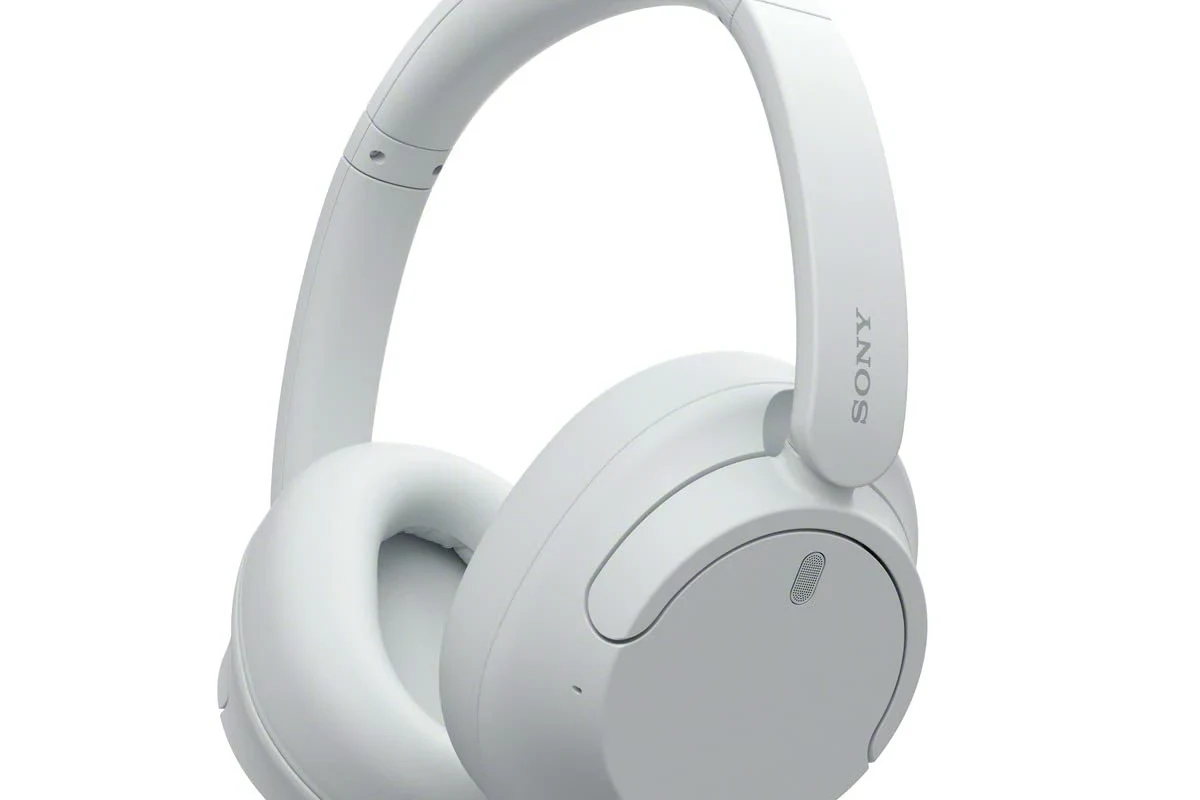
Image source: m.media-amazon.com
Using more than one manufacturing location helps Sony manage global demand, component availability, and retail pricing. It also allows the company to produce different product lines more efficiently without forcing every model through a single factory system.
This is common across the headphone industry. Brands that sell wireless earbuds, over-ear noise-cancelling headphones, gaming headsets, and budget wired models often rely on different production hubs to keep the supply chain moving.
Cost, scale, and supply chain efficiency
Manufacturing location can affect labor costs, shipping speed, import duties, and component sourcing. Those factors influence how quickly a product reaches stores and how competitively it can be priced.
That’s one reason a Sony headphone sold in one region may carry a different label than the same model sold elsewhere. The goal is usually efficiency, not a visible difference in how the headphones are meant to perform.
If you’re shopping online, focus first on the exact model number, wireless features, battery life, and noise cancelling performance. Country of origin is useful, but it should not be your main decision factor.
Model tier differences: budget, midrange, and flagship
Budget and midrange Sony headphones are more likely to be produced in high-volume manufacturing hubs, while premium models may involve more specialized assembly or stricter finishing steps. That said, there is no universal rule that one tier always comes from one country.
Instead, Sony may shift production based on demand, component availability, and region. A flagship model can still be assembled in a large electronics hub if Sony’s quality standards are being met.
Quality control standards across factories
For buyers, the most important question is not just where a headphone was made, but how consistently it was made. Large brands like Sony generally apply product testing, inspection, and certification standards across their manufacturing network.
That means a well-made Sony headphone from one country should not automatically be considered inferior to one from another. If there is a noticeable difference, it is more likely tied to the model, materials, or seller authenticity than the factory location alone.
How to Check Where Your Sony Headphones Were Made
If you already own a pair, you can usually find the country of origin on the box, product sticker, or documentation. This is the most reliable way to confirm where your specific unit was manufactured or assembled.
If you are buying online, ask the seller for photos of the packaging label before purchase. That is especially important for higher-priced wireless models, where counterfeit products are more common than many shoppers realize.
Reading the box, label, and product sticker
Check the retail box first, especially the side or bottom panel. Sony products often list manufacturing details near the serial number, barcode, or regulatory information.
The headphone itself may also have a small sticker, engraving, or printed label on the headband, earcup, charging case, or inner packaging. Keep in mind that labels can vary by region and product generation.
- Country of origin on the box
- Serial number and model number
- Seller authenticity and warranty details
Checking model numbers and regional codes
Model numbers can help you identify whether a Sony headphone is intended for a specific market. Regional packaging may also include local language, certification marks, and distributor information.
If the listing and the box do not match, that can be a red flag. A legitimate product should have consistent model information across the box, listing, and warranty paperwork.
What “Made in” versus “Assembled in” really means
“Made in” can suggest broader manufacturing origin, while “Assembled in” usually means the final build took place in that country using parts sourced from multiple locations. For electronics, this distinction is very common.
Neither phrase automatically tells you how the headphone sounds. It mainly describes where the last major production step happened, not the tuning philosophy or feature set.
If a seller refuses to show the label, serial number, or box photos, treat that as a warning sign. Authentic Sony headphones should have clear product identification and traceable packaging details.
Do Sony Headphones Made in Different Countries Sound or Feel Different?
In most cases, the country of manufacture does not create a dramatic sound difference by itself. Sony designs the model, driver setup, tuning, and feature set first, then production follows those specifications.
That said, buyers can sometimes notice differences in materials, packaging, or finishing between product generations or regional versions. Those differences are usually model-related, not proof that one country sounds better than another.
Build quality, materials, and finish comparisons
Build quality depends on the specific product line. A premium Sony over-ear model may use softer padding, more refined hinges, and better surface finishing than a budget model, regardless of where each was assembled.
In other words, a higher-end feel usually comes from the design tier, not the country name on the box. If comfort matters to you, compare ear cushion material, clamp force, and headband padding instead of relying on origin alone.
- Country labels can help verify authenticity
- Production hubs support global availability
- Premium models may still reflect stronger finishing
- Origin alone does not predict sound quality
- Labels can confuse first-time buyers
- Counterfeit listings may misuse factory claims
Performance differences: what matters and what does not
What matters most is the headphone’s design: driver type, tuning, ANC behavior, Bluetooth stability, battery life, and comfort. Those are the features that affect your daily listening experience.
What usually does not matter much is whether the unit was made in China, Malaysia, Thailand, or Japan, as long as it is genuine and the model is the same. If you want better sound, look for the right Sony product line rather than chasing a specific country label.
Real-world examples from popular Sony headphone lines
Sony’s wireless noise-cancelling headphones, travel-friendly on-ear models, and everyday earbuds can all come from different production hubs. The same is true for gaming headsets and budget wired options.
That is why comparisons should start with use case. If you need commuting comfort and ANC, one model may be better than another even if both are produced in the same country. For readers comparing everyday listening setups, our guide on how noise cancelling headphones work can help explain why the feature matters more than the manufacturing label.
Price, Value, and Buying Considerations in 2026
In 2026, price is still shaped by more than manufacturing location. Brand reputation, feature set, wireless technology, ANC quality, battery performance, and market demand all play major roles.
That means two Sony headphones from different countries may be priced differently for reasons that have nothing to do with sound quality. Retailers, import costs, and regional taxes can all affect the number you see at checkout.
How manufacturing location can affect retail pricing
Some production locations may help Sony keep costs lower, which can support more competitive pricing in certain markets. But final retail price is also influenced by distribution, promotions, and local availability.
So if one Sony model looks cheaper than another, do not assume the factory location explains everything. Compare the features, battery life, microphone quality, and warranty coverage first.
Budget optionVaries
Premium optionVaries by brand
Comparing Sony to other major headphone brands
Sony is not unusual in using multiple manufacturing countries. Many major headphone brands follow the same global production model, especially for wireless products and large-volume consumer audio.
If you are comparing brands, focus on ecosystem support, app features, fit, ANC strength, and after-sales service. Those factors usually matter more than whether the product was assembled in one country or another.
Best value expectations by price segment
Budget Sony headphones should be judged on basic reliability, comfort, and decent sound rather than premium materials. Midrange models often offer the best balance of features and value for most shoppers.
Flagship Sony headphones can justify a higher price when you care about advanced noise cancelling, stronger app support, and more refined tuning. Still, the best value is the model that fits your listening habits, not the one with the most impressive origin label.
Common Mistakes Shoppers Make When Judging Sony Headphones by Country of Origin
Country of origin is useful information, but it can become a distraction if you treat it like a quality ranking system. That leads many shoppers to overlook the specs that actually shape the listening experience.
For headphone buyers, the smarter approach is to use the label as a verification tool, not a sound-quality shortcut. This is especially true if you are buying wireless models or shopping through marketplaces with mixed seller quality.
Assuming one country means better sound
Sound quality comes from tuning, driver design, and product engineering. It does not automatically improve just because the box says Japan, or decline because it says China.
If you want more clarity, more bass, or a wider soundstage, compare the model’s tuning and EQ options instead. That is a much better predictor of satisfaction than the origin label.
Ignoring model-specific specs and tuning
Two Sony headphones can be made in the same country and still sound completely different. That happens because each model is designed for a different purpose, such as commuting, gaming, casual listening, or studio-style monitoring.
The model matters more than the manufacturing countryUse specs, comfort, and intended use to guide your choice
Before buying, check Bluetooth version, battery life, ANC features, microphone quality, and whether the headphone is over-ear, on-ear, or in-ear. If you need a refresher on fit styles, our headphones vs earphones complete guide is a helpful place to start.
Overlooking warranty, authenticity, and seller reputation
A genuine Sony product from a trusted seller is more important than the country printed on the packaging. Counterfeit or gray-market listings can create bigger problems than any factory difference.
Always check warranty terms, return policy, and seller reputation. If a deal looks unusually cheap, verify the serial number and packaging before you buy.
Listening at high volumes for long periods can cause hearing damage. Keep volume at 60% or below for extended sessions.
Expert Advice and Final Recap: What Sony Headphone Shoppers Should Remember
The simplest answer to where are Sony headphones made is that Sony uses a global manufacturing network. Depending on the model, your headphones may be made or assembled in Japan, China, Malaysia, Thailand, or another regional hub.
That does not make one pair automatically better than another. For most shoppers, the real priorities are model authenticity, comfort, sound signature, noise cancelling performance, and warranty support.
!
If you notice unusual distortion, poor battery behavior, weak ANC, or a suspiciously cheap listing, consult the seller first and consider contacting Sony support. If you have hearing discomfort, tinnitus, or sensitivity to loud sound, speak with an audiologist.
Warning signs to watch for when buying online
Watch for blurry box photos, missing serial numbers, inconsistent model names, and sellers who avoid showing the label. Those are common signs that a listing may not be legitimate.
Also be careful with marketplace listings that promise premium Sony features at a price far below normal retail. A genuine product should still come with clear documentation and traceable packaging.
Bottom-line summary for informed buyers
Country of origin is helpful, but it should never be the only thing you use to judge Sony headphones. The model, features, comfort, and seller trustworthiness matter far more.
If you keep those priorities in mind, you can shop Sony headphones with more confidence and avoid common buying mistakes.
Frequently Asked Questions
Do wireless Sony headphones sound better than wired models?
Not always. Wired models can offer a cleaner signal path, while wireless models add convenience, ANC, and app features.
Are Sony noise cancelling headphones worth it for commuting?
Often yes, especially if you travel on trains, buses, or planes. The best choice depends on fit, battery life, and how much outside noise you want to reduce.
Should I choose open-back or closed-back Sony headphones?
Closed-back headphones are usually better for travel and public spaces because they block more sound. Open-back models can feel more spacious, but they leak sound and are less private.
What headphone specs matter most for sound quality?
Look at driver design, tuning, frequency response claims, and EQ support. Comfort and fit also affect how bass, clarity, and detail actually sound to you.
How can I buy Sony headphones on a budget without wasting money?
Focus on the exact model, seller reputation, and warranty coverage before comparing country of origin. Budget models can still be a smart buy if they fit your needs and have solid reviews.
How do I know if Sony headphones will be comfortable for long sessions?
Check weight, ear cushion material, clamp force, and headband padding. If possible, look for return-friendly sellers so you can test the fit at home.
Credit : Source Post