

No, the PS Portal does not have a 3.5mm headphone jack. You’ll need a compatible wireless headset or a USB-C audio workaround instead.
If you’re asking, “does PS Portal have a headphone jack,” the short answer is no. The PlayStation Portal does not include a built-in 3.5mm headphone jack, so wired headphones cannot plug directly into the device.
That does not mean you’re out of options, though. You can still use compatible wireless audio gear and USB-C-based solutions, but the best setup depends on how you play and how much latency you can tolerate.
- No jack: PS Portal does not include a 3.5mm headphone port.
- Best option: Low-latency wireless headsets are usually the easiest choice.
- USB-C caveat: Not every USB-C adapter or headset will work properly.
- Gaming matters: Mic support and audio delay are key for multiplayer.
- Check compatibility: Confirm support before buying any accessory.
Does PS Portal Have a Headphone Jack? The Short Answer for 2025 Buyers
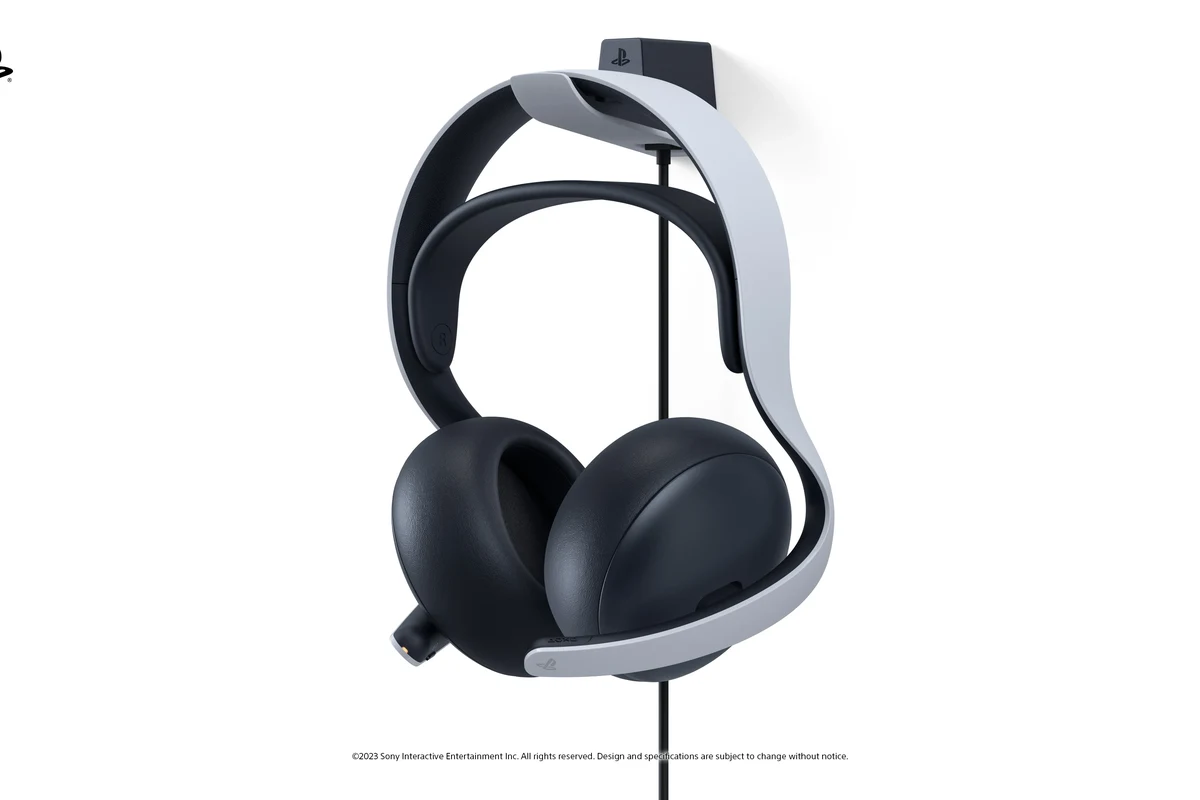
Image source: gematsu.com
For buyers in 2025, the key point is simple: the PS Portal is designed around wireless and remote-play audio, not a traditional analog headphone port. If you were hoping to plug in a standard gaming headset with a 3.5mm cable, the Portal is not built for that kind of direct connection.
This matters most for players who prefer a simple wired setup. Wired headphones are often easier to use, but on the Portal you need to think in terms of wireless compatibility, USB-C accessories, or Sony-supported headset options instead.
Compatibility can vary by headset model, adapter, and firmware updates. Always check current Sony support information before buying audio accessories for PS Portal.
How Audio Works on the PlayStation Portal: Wired, Wireless, and Remote Play Basics
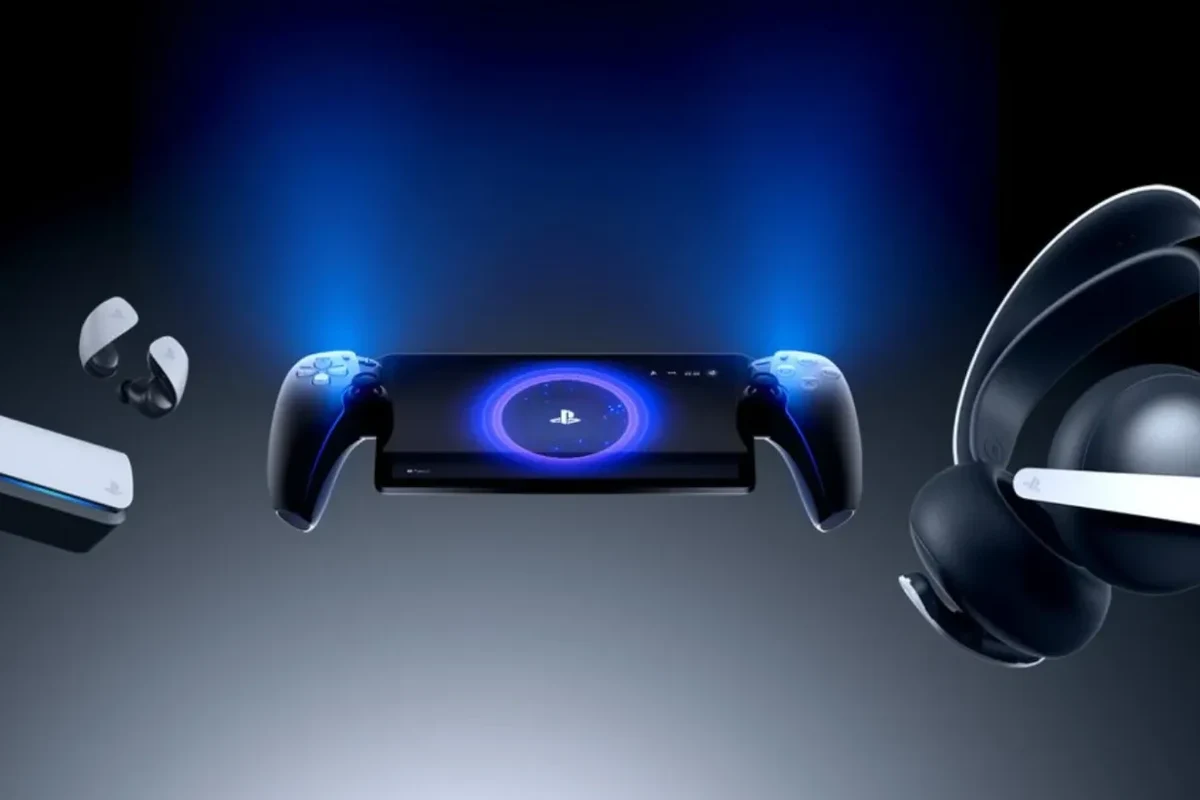
Image source: gameinformer.com
The PS Portal is a Remote Play device, which means it streams game audio and video from your PS5 over Wi-Fi. That setup changes how headphones work, because the Portal is not acting like a standard handheld console with a full range of local audio ports.
Instead of relying on a headphone jack, Sony focuses on wireless audio pathways and USB-C connectivity. For many players, that is enough for casual gaming, but it can be a surprise if you expected the same audio flexibility you’d get from a controller or laptop.
Where the USB-C port fits into everyday headset use
The USB-C port is the most important physical audio-related connection on the PS Portal. In practice, it can be used for charging and may support certain USB-C audio accessories, depending on the product and compatibility.
That said, USB-C does not automatically mean every USB-C headset or adapter will work the way you want. Some accessories may charge only, some may carry audio, and some may need specific device support to function properly.
If you want the least confusing setup, look for headsets or adapters that explicitly list PS5 or PlayStation Portal compatibility rather than assuming any USB-C audio product will work.
What Sony supports for audio output on PS Portal
Sony’s audio approach for the Portal is centered on supported wireless headsets and PlayStation Link audio products. That usually gives you a cleaner experience than random adapters, especially if you care about gaming responsiveness.
If you are comparing options, it helps to think about your priorities first: low latency, microphone support, battery life, or easy plug-and-play convenience. The “best” choice is not the same for everyone, and personal comfort matters just as much as audio specs.
The PS Portal is not a jack-first devicePlan around wireless or USB-C audio instead of a standard 3.5mm connection.
Best Ways to Connect Headphones to PS Portal Without a 3.5mm Jack
Because there is no headphone jack, the real question becomes how to get usable audio without adding lag or extra hassle. Your best path depends on whether you want simple listening, low-latency gaming, or voice chat support.
Some solutions are more reliable than others. In headphone buying, “works” and “works well for gaming” are not always the same thing, especially when timing and microphone quality matter.
Using Bluetooth accessories through compatible workarounds
Many buyers assume Bluetooth is the easiest answer, but this is where caution helps. The Portal is not a device where you should expect every Bluetooth headset to connect natively in the same straightforward way as a phone or tablet.
Workarounds may involve separate adapters or other compatible accessories, but those setups can introduce latency, pairing issues, or extra complexity. If you already own a Bluetooth headset, that is nice, but it does not guarantee a smooth Portal experience.
Do not buy a Bluetooth adapter for PS Portal unless it clearly supports your exact use case. Some adapters add delay, reduce voice quality, or fail to support microphone features properly.
Using PlayStation Link headsets for low-latency gaming audio
For most gamers who want the cleanest experience, PlayStation Link headsets are the most practical route. This wireless format is designed to reduce lag and keep game audio feeling responsive, which is especially useful in fast-paced titles.
If you play shooters, action games, or anything where sound timing matters, low-latency audio is worth prioritizing. It may cost more than a basic headset, but the tradeoff is usually a better gaming feel and fewer connection headaches.
i
In gaming audio, even a small delay can make footsteps, reload sounds, and voice cues feel “off,” especially in competitive play.
Wired alternatives with USB-C audio adapters and their limits
USB-C audio adapters can be tempting if you want to keep using a wired headset, but they are not a guaranteed fix. Some may work for audio output only, while others may not support the microphone, inline controls, or proper device recognition.
That makes them a “check carefully before buying” category. If you want a wired-style experience, make sure the adapter is specifically known to work with gaming devices and does not create charging or passthrough confusion.
- Does the adapter support audio output, not just charging?
- Does it support microphone input if you need chat?
- Is it confirmed for PS Portal or PS5 use?
- Will it add noticeable audio delay?
Practical Examples: What This Means for Gaming on PS Portal in Real Life
On paper, the lack of a headphone jack sounds like a small detail. In real use, it changes how you set up your gaming space, how quickly you can jump into a session, and how much gear you need to carry around.
That said, plenty of players will still find the Portal easy to live with. The key is matching the headset type to your play style instead of forcing a setup that the device was not designed to favor.
Single-player sessions, couch play, and late-night use
If you mainly play single-player games at home, the Portal can still be a comfortable companion device. A good wireless headset or earbuds setup keeps things tidy on the couch and avoids cable clutter.
Late-night gaming is another area where headphones matter a lot. Closed-back designs or comfortable over-ear models can help keep game audio contained, which is useful if you do not want to disturb anyone nearby.
Is a wired headset still better for casual play?
Not always. Wired headphones can be simple, but on PS Portal they are less convenient because you need an adapter or compatible USB-C audio solution.
Multiplayer voice chat and audio delay considerations
For multiplayer, latency and microphone support become much more important. If your headset has delay, footsteps and dialogue may feel slightly out of sync, and that can be distracting in competitive games.
Voice chat also adds another layer of complexity. Some setups handle game audio well but do a poor job with mic input, so it is worth checking both sides before you buy.
!
If you experience repeated audio lag, muffled voice chat, or ear fatigue during long sessions, consider speaking with an audiologist for hearing concerns or a professional audio specialist for setup help.
Common Mistakes Buyers Make When Looking for PS Portal Headphone Support
Most PS Portal audio mistakes happen before the headset even arrives. Buyers often focus on brand names or price and forget to check compatibility details that matter more than marketing claims.
A few minutes of research can save you from returns, poor audio quality, or a headset that only works for listening but not for chatting.
Assuming any Bluetooth headset will work natively
This is one of the biggest assumptions people make. A Bluetooth headset may be great with a phone, but that does not mean it will behave the same way with PS Portal.
Gaming devices can be picky about codecs, latency, and voice support. If a headset is not clearly listed as compatible, do not assume it will deliver the experience you expect.
Buying the wrong adapter or expecting charging-port audio passthrough
Another common mistake is expecting the USB-C port to act like a universal audio passthrough. In reality, some accessories only charge the device, and others may support audio in limited ways.
It is also easy to buy the wrong adapter shape or a low-quality dongle that introduces noise or connection drops. If you are unsure, it is safer to choose a headset built for the platform than to gamble on a generic solution.
Listening at high volumes for long periods can cause hearing damage. Keep volume at 60% or below for extended sessions.
Expert Advice: What Top Headphone Reviews Recommends for the Best PS Portal Audio Setup
At Top Headphone Reviews, our general recommendation is to choose the simplest setup that still meets your gaming needs. For PS Portal, that usually means a headset or earbuds solution that is clearly compatible and designed with low-latency performance in mind.
If you are not sure where to start, think about your main use case first. A solo story-game player, a multiplayer regular, and a late-night couch gamer may all need different headphone features.
Choosing low-latency headsets for responsive gameplay
Low latency should be one of your top priorities if you care about timing. Sound that arrives too late can make the game feel disconnected, even if the audio quality itself is good.
Look for products that are built for gaming rather than general listening. If you want a broader explanation of wireless behavior, our guide to Bluetooth headphone lag fix can help you understand why some wireless setups feel better than others.
When to prioritize comfort, battery life, and microphone quality
Comfort matters more than many buyers expect, especially on long Remote Play sessions. Over-ear padding, clamp force, weight, and ear cushion material can make a big difference after an hour or two.
If you chat often, microphone quality should move up your list. Battery life also matters for wireless models, because a headset that sounds great but dies quickly is frustrating in daily use.
- Choose low-latency audio for gaming responsiveness.
- Prioritize comfort if you play for long sessions.
- Check mic support before buying for multiplayer.
- Wireless convenience is usually better than adapter guessing.
Price and Value Comparison: Is a PS Portal-Compatible Headset Worth the Extra Cost?
In many cases, yes, because a compatible headset usually saves time and reduces frustration. Even if a generic headset is cheaper, the extra setup steps or poor latency can make it less valuable in practice.
That does not mean you need the most expensive model available. The best value is usually the headset that fits your play style, works reliably, and avoids compatibility surprises.
Budget-friendly options versus premium gaming headsets
Budget options can be fine if you mainly want basic audio and do not care about advanced features. But when you add gaming latency, mic clarity, and comfort into the equation, premium headsets often justify their higher price for regular players.
If you want a broader look at headset categories, our guide to types of headphones explained is a useful starting point before you choose between over-ear, on-ear, or in-ear designs.
What to expect to spend in 2025 for reliable audio performance
Prices can vary a lot by brand, feature set, and sales timing, so it is better to think in ranges than exact numbers. Budget-friendly gaming audio may be enough for casual use, while low-latency premium models usually cost more because of their wireless tech and platform support.
If you are comparing purchases, look at the total value: comfort, battery life, mic quality, and compatibility. A headset that works reliably with PS Portal is often the better investment than a cheaper one that creates extra setup problems.
Budget optionVaries
Premium optionVaries by brand
Final Recap: Should You Buy PS Portal If You Need a Headphone Jack?
If a built-in headphone jack is a must-have, the PS Portal is probably not the right match for you. It is built more like a wireless Remote Play device than a traditional handheld with a simple analog audio port.
But if you are open to wireless headsets or carefully chosen USB-C audio solutions, the Portal can still be a good gaming companion. The best choice is to buy with the audio setup in mind first, then choose a headset that fits your comfort, latency, and microphone needs.
Frequently Asked Questions
Do wireless headphones work better than wired headphones for PS Portal?
Wireless options are usually more practical on PS Portal because there is no 3.5mm headphone jack. For gaming, low-latency wireless headsets are often the better choice if they are clearly compatible.
What should I look for in a PS Portal gaming headset?
Look for low latency, clear microphone support, comfortable ear pads, and strong battery life. Platform compatibility matters more than flashy specs if you want a smooth setup.
Are noise-cancelling headphones good for PS Portal?
Noise-cancelling headphones can be helpful if you play in a noisy room. Just make sure the headset still works well for gaming audio and does not add noticeable delay.
Should I choose open-back or closed-back headphones for PS Portal?
Closed-back headphones are usually better for gaming at home because they block more outside noise and keep sound from leaking out. Open-back models can sound spacious, but they are less private and less isolating.
How do driver size and EQ affect PS Portal sound quality?
Driver size is only one part of sound quality, and bigger is not always better. EQ can help improve bass, clarity, or dialogue, but the best results depend on the headset’s tuning and your listening preference.
What is the best budget tip when buying headphones for PS Portal?
Start with compatibility, then compare comfort and battery life before chasing premium features. A well-matched midrange headset is often better value than a cheap model that creates lag or connection problems.
Credit : Source Post